

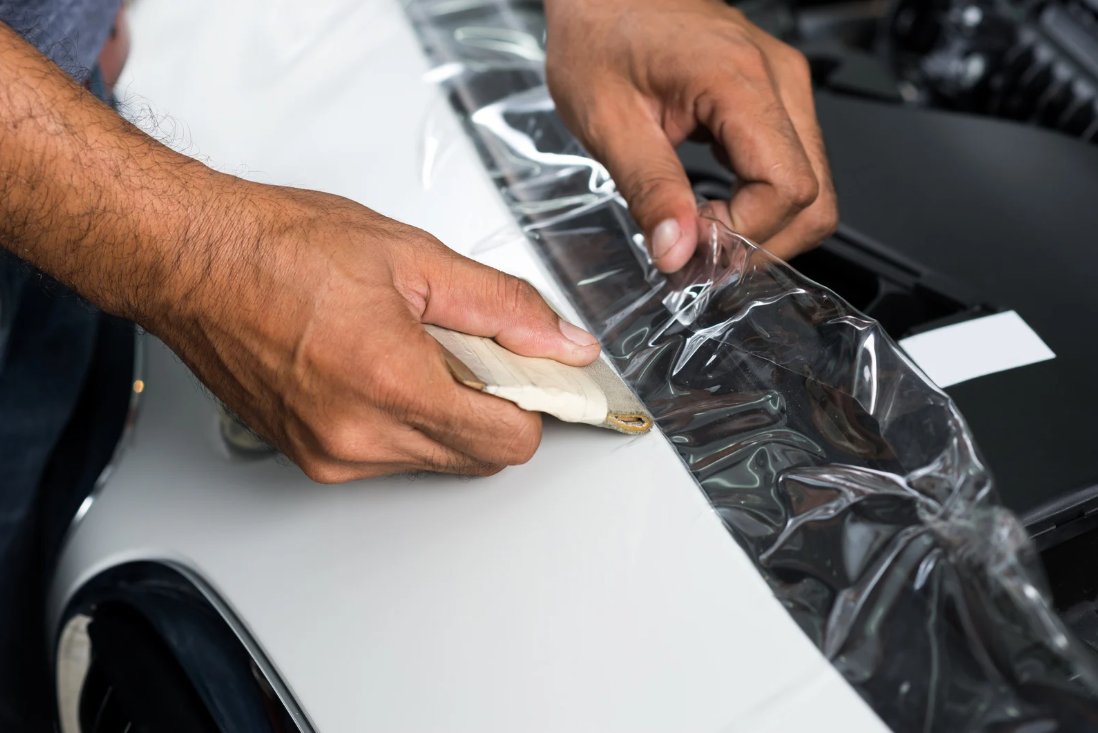
Installing a paint protection film (PPF) is one of the smartest moves you can make to safeguard your vehicle’s finish—but if you live in an extreme environment, that’s just the beginning. Harsh heat, biting cold, and salty air each bring their unique threats to your car’s protective layer, making routine maintenance a crucial part of preserving your investment. In this blog learn about preserving PPF and vinyl in extreme climates.
In this deep-dive, we explore how Detail by Autostore.pk helps you go beyond the basics, offering not just PPF, but the knowledge and tools to make sure your vehicle looks sharp in every climate—from the sun-scorched highways of Balochistan to the snowy roads of Skardu or the humid breeze of Karachi’s coastline.
When Climate Turns Hostile: Understanding the Real Risks
Whether you’re dealing with 50°C heat, deep winter freeze cycles, or corrosive sea air, your PPF or vinyl wrap reacts differently to each. Here’s how these climates mess with your car’s protective skin.
In the Desert
The triple threat here includes intense UV radiation, surface temps that can fry an egg and ever-present dust. UV rays speed up yellowing, high heat can dry out and crack adhesives, and dust acts like micro-sandpaper grinding down your topcoat.
In the Arctic
Thermal contraction causes films to shrink, which leads to edge lifting. Add in salt from icy roads and aggressive scraping during snow removal, and it’s no wonder even high-quality wraps fail prematurely.
In Coastal Zones
Salt aerosols love to creep under edges, humidity softens adhesives, and persistent dampness leads to mold, corrosion, or even bubbling beneath the surface. It’s a stealthy kind of damage—but one that’s just as dangerous.
Desert Survival: What Your PPF Needs in Blazing Heat
Living in hot climates requires smarter, heat-deflecting strategies. Standard installations won’t cut it if you’re battling daily triple-digit temperatures and constant sun exposure.
Use These Products:
- UV-resistant top coatings that act like sunscreen.
- Ceramic coat layers that reflect heat.
- Sealants designed to block out fine dust particles.
Key Habits:
- Rinse your car weekly to prevent dust from becoming embedded.
- Use light-colored PPFs that reflect instead of absorb heat.
- Reapply ceramic top coats every month for optimal reflection.
Storage Tips:
- Park under shade or use breathable, reflective car covers.
- Avoid sealing the car with a tight-fitting tarp that traps heat.
Pro Tip: Plan your PPF installation during the cooler months. Adhesive cures better and lasts longer when applied under controlled moderate temperatures.
Arctic Protection: Wraps That Withstand the Freeze
Cold-weather climates pose challenges that can quietly destroy your PPF if you’re not vigilant. The key? Flexibility, warmth, and keeping that film from going brittle.
Recommended Products:
- PPF specifically engineered for cold flexibility.
- Edge-sealing primers to prevent snowmelt from creeping in.
- PH-neutral, winter-safe cleaning agents.
Maintenance Tactics:
- Never use high-pressure water when your vehicle is frozen.
- Allow the car to warm slightly before washing to avoid shock stress.
- Brush off snow with soft-bristled tools—scrapers are a no-go.
Storage Tips:
- A heated garage is a major plus
- Avoid parking under trees where snow might slide and scrape
Application Advice
Install PPF in a controlled indoor space when temperatures are above 10°C (50°F). Reinforce curved edges with primers to combat shrinkage from thermal cycles.
Coastal Defense: How to Fight Back Against Salt and Humidity
Salt exposure is sneaky. It gets under your wrap and eats away at your car’s metal and the adhesive layers below. Don’t let the ocean breeze fool you—it’s carrying damage with it.
Use These Products:
- Marine-grade coatings that resist salinity and UV
- Hydrophobic treatments to repel constant dampness
- Anti-corrosion sealants are applied quarterly
Weekly Routine:
- Rinse with deionized water at least once a week
- Do a monthly inspection for signs of edge lift or discoloration
- Wipe down film edges after rain or humidity spikes
Where to Park:
- A dehumidified, enclosed garage is gold
- If that’s not possible, avoid parking directly beside the sea
Installation Note: Use larger film overlaps on panels and apply extra edge sealants—especially near wheel wells, rocker panels, and bumpers.
Spot the Signs: Catch Film Failure Before It Spreads
It’s easy to miss the early warnings, especially if your PPF looks “mostly fine.” But a tiny bubble today could mean a full re-wrap tomorrow.
Red Flags to Watch For:
- Bubbling under the surface. (moisture or failing adhesive)
- Edge lifting or curling. (caused by contraction or salt entry)
- Yellowing or discoloration. (a sign of UV overload)
- Cracking or tearing. (often from freeze-related stress)
What You Can Do:
- Reapply edge primers at the first sign of lift.
- Replace affected panels early rather than waiting for full-area failure.
- Reach out to the experts at Detail by Autostore.pk for a local inspection or material upgrade.
Not a Job for Beginners: When You Need Professional Application
If your car is a rare build, a modified body kit, or simply parked outdoors year-round in harsh weather, don’t risk a DIY mistake.
Professional Install Is a Must When:
- Your vehicle lives outdoors year-round
- You live in a high-risk climate
- Your car has aftermarket panels or irregular surfaces
Extra Steps Professionals Take:
- Match adhesives to regional conditions
- Pre-heat panels before application
- Extend curing periods post-installation for maximum bond strength
- These techniques are often skipped in generic installs, but they’re what keep film performance high when conditions get extreme.
Conclusion: More Than Just a Pretty Wrap
Owning a PPF-protected vehicle in an extreme climate doesn’t mean giving up on appearance or protection. It just means you have to be smarter than the environment. Whether you’re navigating the dusty highways of the south, the icy passes of the north, or the salty coastal streets—your protective film can go the distance with a little help from science, maintenance, and the pros.
When you’re ready to protect your ride against your environment, trust Detail by Autostore.pk—we understand that PPF longevity isn’t just about the product. It’s about knowing the climate, the car, and the care that comes after.