

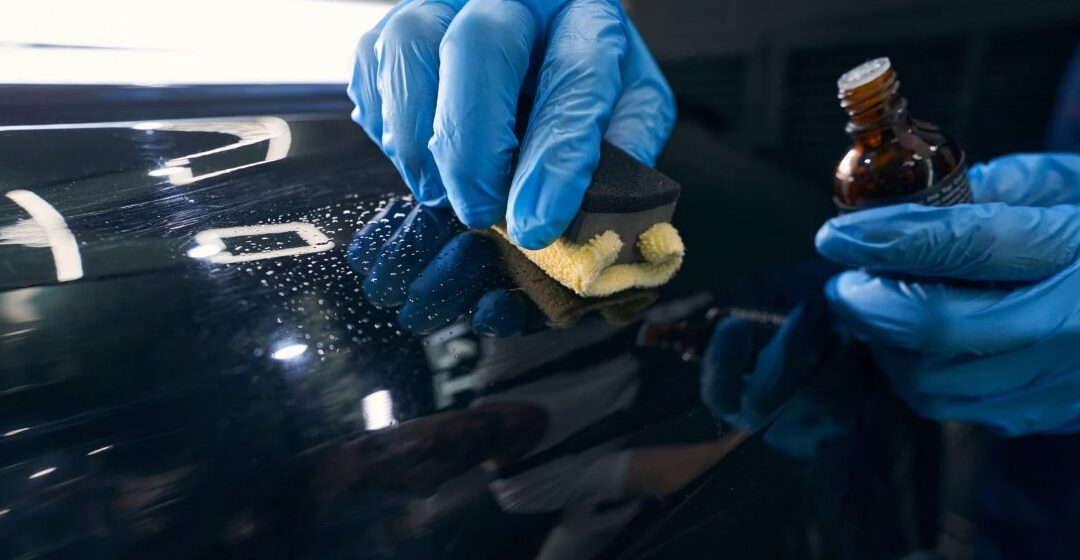
If you’re serious about protecting your high-end vehicle, then you’ve probably heard about Paint Protection Film (PPF) and Ceramic Coating. But here’s where it gets interesting: what happens when PPF and ceramic are combined? Can they work together, or are you setting yourself up for product incompatibility and protection compromises?
This guide dives deep into how to integrate these two powerhouse products to form a complete vehicle protection system. Whether you’re a detailer, a DIY enthusiast, or a premium vehicle owner, this article will walk you through installation sequencing, compatibility considerations, maintenance routines, and expectations for performance.
Buckle up—we’re going full detailer mode.
Understanding the Roles: What PPF and Ceramic Coating Do Best
PPF, often referred to as a clear film, provides a physical barrier that shields your paint from rock chips, scratches, and minor abrasions. It’s thick, self-healing, and typically covers high-impact zones like the hood, bumpers, and side mirrors.
Ceramic Coating, on the other hand, offers chemical protection. It bonds to the clear coat or film, creating a hydrophobic surface that repels water, resists UV damage, and makes cleaning easier. But it’s not physically thick like PPF.
When combined, they don’t just add—they multiply. But the magic is in the method.
The Right Sequence: Which Comes First?
There are three primary strategies for combining PPF and ceramic coating:
1. PPF First, Ceramic Second (Most Recommended)
Why it works:
- Ceramic coating enhances the top layer of PPF.
- Hydrophobic properties improve washability.
- UV inhibitors in ceramic protect both the film and the paint.
Process overview:
- Full decontamination wash and paint correction.
- Apply PPF to targeted areas.
- Allow PPF to cure for 24–48 hours.
- Apply ceramic coating over PPF and remaining unprotected panels.
Best for: Premium protection seekers and high-end vehicle owners looking for a balance of physical and chemical defense.
2. Ceramic First, PPF Later (Rarely Recommended)
Why it’s problematic:
- PPF adhesives may not bond properly to coated surfaces.
- Film may lift prematurely or fail to adhere at all.
If you’ve already coated the paint, it’s best to strip or polish off the coating before installing PPF.
3. Install Both at the Same Time
This option is viable in professional shops where installers coordinate both systems efficiently. Timing and curing stages are managed under one roof, avoiding delays between steps.
Pro Tip: Always verify that the ceramic coating is compatible with the specific brand of PPF you’re using. Some coatings are optimized for film adhesion, while others aren’t.
Product Compatibility: Choosing the Right Combo
When you’re mixing two protection technologies, not all combinations are created equal. Here’s what to watch out for:
- Top Coat Chemistry: Some ceramic coatings are engineered to bond with polyurethane films. Others may degrade the clarity or self-healing properties.
- Heat Curing Tolerances: PPF is sensitive to excessive heat during ceramic curing. Always follow manufacturer guidelines.
- Film Texture: Glossy vs. matte PPF requires different ceramic formulas for visual consistency.
Recommended Product Traits:
- Silica-based ceramic coating with film-safe bonding agents
- PPF with a coating-ready top coat
Always test a small panel before going full vehicle.
Edge Integration: Where Systems Meet
Where PPF ends and ceramic begins, things get tricky. You want a seamless aesthetic and functional transition.
Best Practices:
- Overlap Application: Extend ceramic coating slightly beyond PPF edges to seal borders.
- Avoid Lifting: Apply ceramic with a foam applicator to prevent lifting PPF edges.
- Cure Smart: Use IR curing lamps carefully to minimize adhesive swelling.
Result? Invisible transitions that perform like a single, unified layer of protection.
Maintenance Protocols for Combined Protection Systems
With both PPF and ceramic working together, maintenance becomes simpler—but not maintenance-free.
Weekly:
- Rinse with pH-neutral soap.
- Use the two-bucket method to avoid introducing scratches.
Monthly:
- Check for edge lifting or spotting on PPF.
- Use ceramic booster spray to maintain hydrophobicity.
Quarterly:
- Clay bar and iron decon the ceramic-only sections.
- Check for yellowing or bubbling in PPF zones.
Annually:
- Professional inspection for potential re-coating or panel replacement.
Performance: What You Can Expect
Combined Benefits:
- Hydrophobic surface across the entire vehicle.
- Scratch and chip resistance in high-risk areas.
- UV protection on both paint and PPF.
- Easier cleaning and better shine retention.
Limitations:
- Ceramic won’t stop rock chips.
- PPF won’t repel water or resist bird droppings on its own.
Together, however? They create an elite-level protective barrier that’s hard to match.
Final Thoughts: One Goal, Two Technologies
The pairing of Ceramic Coating and PPF represents the pinnacle of paint protection technology. When executed properly, it offers a dual-layered defense against nearly every type of environmental hazard, from road salt and UV rays to swirl marks and acid rain.
The takeaway: Don’t settle for one when both can be integrated. Just ensure you’re working with experienced installers, using compatible products, and following proper sequencing. For total protection, Detail by Autostore.pk offers curated packages that combine both products into a professionally installed system.