

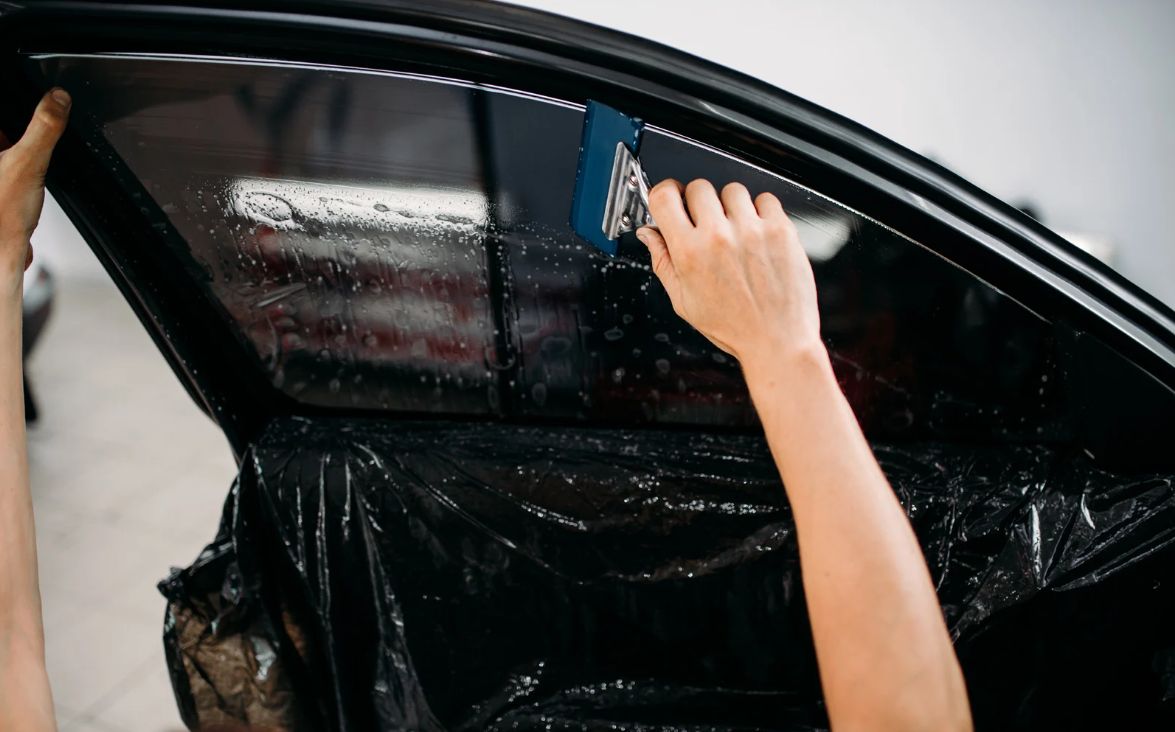
Whether you’re looking for better cabin privacy, UV protection, or just a cooler interior, window tints offer practical advantages for every driver. However, they also come with legal obligations that can be confusing and vary from place to place. This guide walks through the regulatory landscape surrounding window tinting, helping you stay on the right side of the law without sacrificing the benefits of tinted windows. Learn about window tints and the law in this blog.
From front-window restrictions to rear exemptions and even cross-border compliance, here’s how to make informed decisions about tinting your vehicle—legally.
Understanding Legal Window Tint Levels
Window tint laws differ depending on where you live. States and countries define legality based on VLT—Visible Light Transmission—which is the percentage of visible light that can pass through the film and glass combined. The lower the VLT percentage, the darker the tint.
For example:
- California allows front-side windows at 70% VLT or higher.
- Texas permits 25% VLT on front side windows.
- Florida permits 28% VLT for front side windows and 15% for rear.
These numbers are specific and enforced using VLT meters by law enforcement. Always verify with up-to-date resources, especially if you’re moving between jurisdictions or planning an interstate road trip.
Front vs. Rear Windows: Why the Law Treats Them Differently
Most laws impose stricter rules on front windshields and front side windows. This is primarily for safety reasons—to ensure visibility for the driver and enforcement personnel. Rear side windows and rear windshields generally have more lenient regulations.
Common Differences:
- Front Windshield: Usually limited to a visor strip (top 4-6 inches).
- Front Side Windows: Heavily regulated for VLT.
- Rear Windows: Often no restriction, especially in SUVs and vans.
If you drive a sedan, the rear windows might still have a VLT requirement, depending on state law. For SUVs, some states allow factory tint on rear windows with very low VLT.
Medical Exemption Tint Regulations
Many regions offer exemptions for individuals with medical conditions that require extra UV or light protection. These exemptions permit darker-than-standard tints and often apply to both front and rear windows.
Conditions Often Qualifying:
- Lupus
- Photosensitivity disorders
- Skin cancers
- Albinism
How to Apply:
- Obtain a note from a licensed medical professional.
- Submit a formal exemption request to your DMV or relevant authority.
- Carry documentation in the vehicle at all times.
Each jurisdiction has its application forms and processes, so check with your local Department of Motor Vehicles. Some regions require periodic renewal or vehicle re-inspection.
Using Objective Tools to Measure and Stay Compliant
Compliance isn’t just about intent—it’s about measurement. Most enforcement agencies use VLT meters to assess whether a tint is legal. You can stay ahead of the curve by doing the same.
Tools That Help:
- Digital VLT Meters: Provide on-the-spot readings of light transmission.
- Factory Tint Charts: Useful if your vehicle has OEM privacy glass.
- Mobile Apps: While not precise, some apps estimate VLT with phone cameras.
Ensure you’re measuring the combined light transmission of both the film and the glass. For example, if your glass starts at 80% VLT and you apply a 20% VLT film, the resulting VLT could drop below legal limits.
Regional Highlights: Tint Laws Across Jurisdictions
Here’s a snapshot of how tint regulations vary across a few popular regions:
United States
- California: 70% VLT front; rear unrestricted with dual side mirrors.
- New York: 70% VLT on all windows except windshield visor.
- Arizona: 33% VLT front, no limit rear.
Canada
- Ontario: No tint allowed on windshield; front side tint must allow 70% light.
- Quebec: Only the top 15 cm of windshield may be tinted.
Pakistan
- Officially, all aftermarket tints are prohibited beyond the factory level unless authorized.
- Enforcement varies by city and province.
Cross-Border and Interstate Travel
Traveling between jurisdictions with different tint laws? Here’s what you should know:
- Your Home State Law Applies: In the U.S., most states honor the tint regulations of your vehicle’s registration state.
- Border Areas May Still Ticket: Some law enforcement may ticket if tints seem excessively dark, especially at night.
- International Travel: Always check destination-specific laws if driving internationally.
A good rule of thumb: Carry documentation of compliance and avoid applying tints that are borderline illegal in any state.
Professional Vehicles: Special Exemptions and Considerations
Commercial vehicles, ride-share cars, and limousines may have different standards—or additional scrutiny.
Examples:
- Limos: Often permitted to have darker tints due to privacy standards.
- Taxis/Uber: Subject to local ordinances that may limit rear tinting.
- Fleet Vehicles: Typically adhere to stricter regulations for uniformity.
If you’re a professional driver, always verify city-specific regulations for your vehicle category.
Verifying and Maintaining Compliance
Once your tint is installed, don’t assume you’re in the clear forever. Regular checks ensure ongoing compliance and help you avoid surprise tickets.
Best Practices:
- Test Annually: Use a VLT meter or visit a tint shop.
- Keep Docs Handy: Store film specs and exemption forms in your glovebox.
- Recheck After Repairs: Glass replacements may change your VLT rating.
If you’re ever cited, having objective readings and documentation may help dispute the violation.
Conclusion: Legal Tints, No Headaches
Staying compliant with tint laws doesn’t mean sacrificing comfort or style. With the right tools, proper film selection, and an understanding of regional laws, you can enjoy the benefits of window tinting without legal risks.
Looking for reliable, legally compliant window tints? Detail by Autostore.pk offers tested, regulation-friendly solutions to help you ride in privacy—without citations