

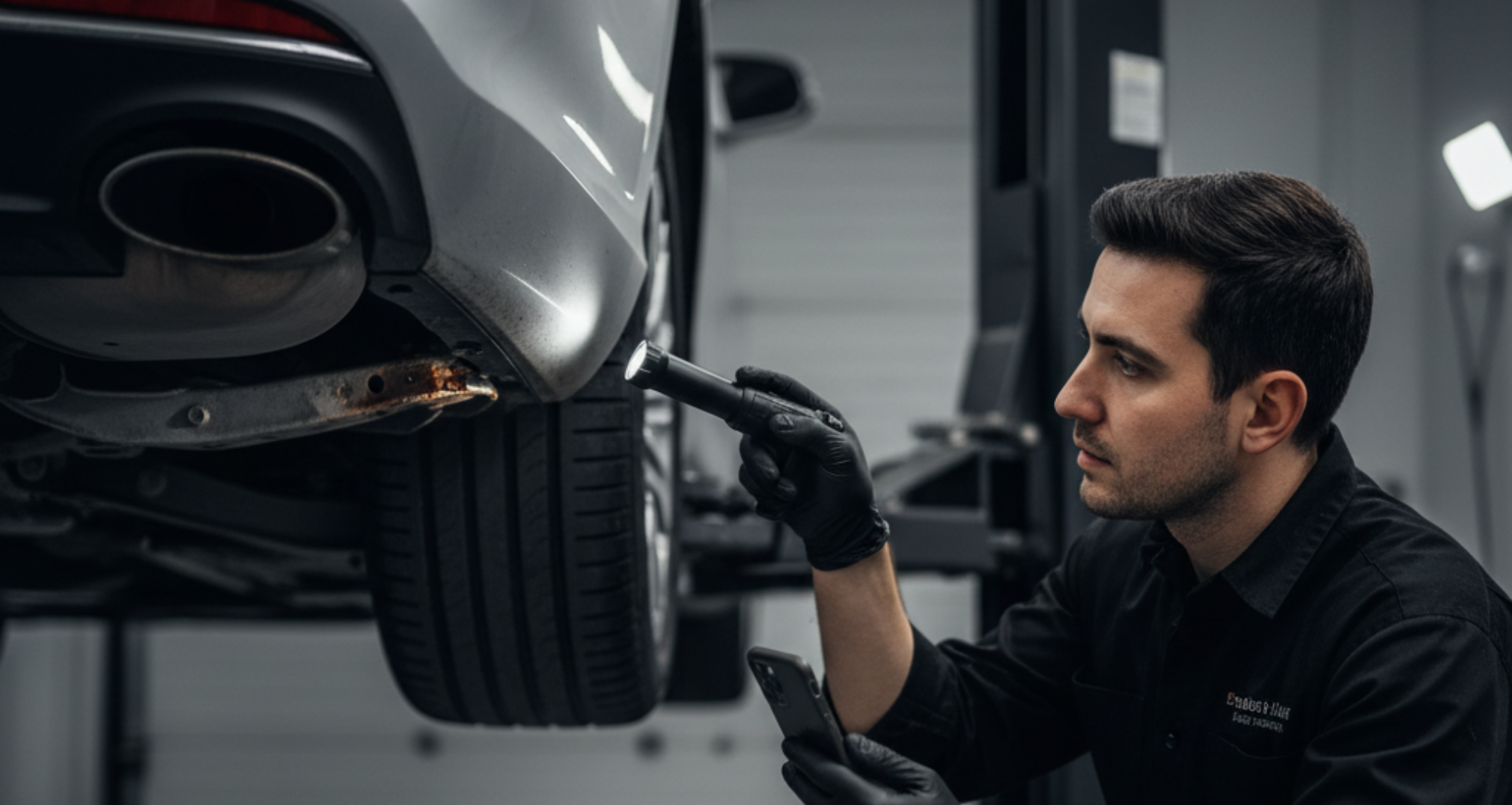
You take your car to DetailbyAutostore.pk thinking it’s just about getting it cleaned up and maybe adding some protection. You want that fresh look back, or you’ve decided it’s finally time to get PPF done. The last thing you’re expecting is for the detailing crew to find an oil leak that’s been going on for weeks, Rust starting to form in a hidden spot, or a cracked windshield seal that’s been dripping moisture exactly where it’ll cause damage. But this happens all the time. The detailers spend hours going over every part of your car, getting into corners and crevices you haven’t checked in forever. They’re not just wiping things down. They’re spotting problems your car has been quietly developing, problems that might cost you a few thousand rupees to sort out now but could run into the lakhs if you let them go. There are multiple problems found while detailing, and you are annoyed!
This isn’t meant to worry you. It’s just the reality that professional detailing gives you way more than a nice shine. Think of it like taking your car for a checkup, except instead of a doctor poking around with instruments, you’ve got people who know what to look for because they’ve worked on hundreds of cars.
Here are 12 real problems the DetailbyAutostore.pk team has encountered while detailing cars in Lahore. Not hypothetical stuff. Real issues on real vehicles, each one caught before it became expensive.
1. Rust Bubbles Hiding Under Floor Mats
This is probably the most common discovery, and it’s sneaky as hell. You drive around every day with floor mats covering your car’s metal floor. Those mats trap moisture, especially during monsoon season or if you’ve tracked in water after washing the car.
Over time, that trapped moisture starts eating away at the metal underneath.
Most car owners never lift their floor mats to check what’s happening below. Why would you? But when DetailbyAutostore.pk removes everything for a thorough interior detail, suddenly there it is: small rust spots forming right under where the driver’s feet rest.
Why this matters more than you think:
Rust never stays put. That little bubble you see today will keep spreading until it eats straight through the metal. Once you’ve got actual holes in your floor pan, you’re in for some serious work. They’ll need to cut out the damaged sections and weld in fresh metal, which can easily set you back 50,000 to 100,000 rupees or more, depending on how bad it’s gotten.
But if you catch it early while it’s still just surface rust? A mechanic can clean it up, treat it, seal it off, and stop it from getting worse for maybe 5,000 to 10,000 rupees. That’s the gap between a quick fix and a proper nightmare.
The fix itself is pretty simple once you actually know it’s there. Strip off the Rust, hit the metal with a rust converter, apply a protective coating and make sure your floor mats aren’t sitting there holding moisture from now on.
2. Cracked Windshield Seals Letting Water Into Electronics
Most people don’t stop to think about this, but your windshield isn’t magically attached to your car. A rubber seal and adhesive keep it in place, but that seal can crack, shrink, or pull away over time.
The brutal heat we deal with in Pakistan speeds this up because it makes rubber go brittle way faster than it would in a cooler place.
When the detailing team is working on your exterior glass and trim, they’ll sometimes spot gaps or cracks in the seal running around your windshield. Water sneaks through those gaps, and where does it end up? Running down behind your dashboard, straight towards your car’s electrical bits.
The cascade of problems this creates:
Water and electronics are enemies. Once moisture gets into your dashboard, it can corrode wiring, damage your AC controls, ruin your stereo system, or even affect your car’s computer modules. Fixing corroded wiring is a nightmare because electricians have to trace which circuits are affected, replace damaged sections, and ensure everything’s properly sealed.
That’s what we mean by detective work. Catching a failing seal before the monsoon can save you from electrical repairs that cost more than several professional details combined.
3. Paint Bubbling That Signals Body Damage Underneath
When the DetailbyAutostore.pk team is doing paint correction or PPF installation, they examine your car’s paint under bright lighting from multiple angles. Sometimes they’ll notice slight bubbling or rippling in the paint that you’d never see under normal conditions.
This bubbling usually means one of two things: either Rust is forming under the paint, or the previous bodywork was done poorly. Both situations need attention before they get worse.
What’s really happening under that paint:
If it’s rust-related bubbling, moisture has gotten under your clear coat and is oxidizing the metal. The paint can’t contain it, so it starts pushing outward, creating those bubbles. Left alone, the Rust will spread, and eventually the paint will flake off entirely, leaving you with visible rust patches that require repainting.
If it’s poor bodywork, it means someone did a cheap repair after an accident. Maybe they didn’t prep the surface properly, or they used low-quality filler that’s now reacting to heat and moisture. Either way, that area will eventually fail, and you’ll need proper bodywork done.
That inspection during detailing potentially saved them from buying a car with hidden damage that would have cost 80,000 rupees or more to repair properly.
4. Slow Tire Leaks Discovered During Wheel Detailing
Wheels and tires get serious attention during professional detailing. The DetailbyAutostore.pk team removes all the brake dust, cleans the wheel wells, and inspects the tire sidewalls for damage. During this process, they sometimes notice that a tire is slightly low on pressure even though the car was just driven in.
That’s often a sign of a slow leak, usually caused by a nail or screw embedded in the tread or by a damaged valve stem. These leaks are slow enough that you might not notice day to day, but they’re constantly letting air escape.
The danger of driving on slowly deflating tires:
When a tire doesn’t have proper pressure, several problems develop. The tire wears unevenly, which means you’ll need to replace it sooner. The handling of your car changes, making it less stable in emergency maneuvers. Fuel efficiency drops because underinflated tires create more rolling resistance. And if the leak is from a nail, it can suddenly become a fast leak at the worst possible time, like when you’re on the motorway headed to Islamabad.
Getting a tire leak fixed at a puncture shop costs maybe 300 to 500 rupees. Replacing a tire that’s been ruined by running underinflated? That’s 8,000 to 25,000 rupees depending on your tire brand and size. Having a blowout on the motorway? Potentially life-threatening, plus whatever accident damage occurs.
The DetailbyAutostore.pk team has flagged slow leaks dozens of times, usually while they’re applying tire dressing or ceramic coating to the wheels. It takes two minutes to point out, and it can prevent a dangerous situation.
5. AC Drain Line Clogs Leading to Water Damage
This is a weird one that most car owners don’t even know exists. Your car’s AC system creates condensation, just like your home AC. That water needs to drain out, which is why you sometimes see puddles under parked cars on hot days. There’s a drain tube that lets that water escape.
Sometimes that drain tube gets clogged with dirt, leaves, or other debris. When it’s clogged, the water backs up and has nowhere to go except into your car’s interior, usually pooling under the passenger-side carpet.
How detailers discover this problem:
When DetailbyAutostore.pk performs a thorough interior cleaning, they often remove the floor mats and find the carpet wet even though it hasn’t rained, and there’s no visible leak. That dampness plus a musty smell is a telltale sign of an AC drain clog.
If you don’t catch this, the constant moisture will mold your carpet and rot the foam padding underneath. You’ll develop a permanent musty smell that’s almost impossible to remove. Eventually, you’re looking at replacing all the interior carpet, which can cost 30,000 to 60,000 rupees depending on your car model.
6. Battery Terminal Corrosion That Could Leave You Stranded
When detailers clean your engine bay (as part of comprehensive detailing packages at DetailbyAutostore.pk), they get an up-close look at your battery. Often they’ll notice white, blue, or green crusty buildup on the battery terminals.
That’s corrosion, and it occurs when battery acid vapor reacts with the metal terminals. A little corrosion is normal, but heavy buildup creates electrical resistance, which means your battery can’t properly charge or deliver power to your starter.
What happens if this isn’t addressed:
Your car becomes unreliable. Sometimes it starts fine; other times it struggles or doesn’t start at all. You might think your battery is dying when, in fact, it’s just corroded terminals preventing a proper connection. You could end up replacing a perfectly good battery (15,000 to 25,000 rupees) when all you needed was terminal cleaning (which is basically free).
Worse, you could end up stranded somewhere inconvenient. A dead battery in your driveway is annoying. Dead battery in a parking lot in the summer heat with your family in the car? That’s a genuinely bad day.
The DetailbyAutostore.pk team cleans battery terminals when they spot corrosion during engine bay detailing. It takes a few minutes with the right tools and chemicals, and it ensures your electrical system is functioning as it should.
7. Worn Door Seals Creating Water Intrusion Points
Door seals are rubber strips that run around your door frames, keeping water, dust, and noise out of your cabin. Over time, especially in Pakistan’s harsh climate, these rubber seals dry out, crack, or come loose from their channels.
When detailers clean door jambs and apply protectants to rubber seals, they can immediately tell if the seals are compromised. They’ll notice cracks, missing sections, or seals that have pulled away from where they’re supposed to be attached.
Why failing door seals cause cascading problems:
Water intrusion is the obvious issue. During rain, water can leak into your interior, soaking your carpet and seats. But there’s also road noise that makes your drive less pleasant, and dust that gets into your cabin no matter how much you clean.
More seriously, that water getting into your interior can reach electrical components under your seats or in your door panels. Power window motors, seat adjustment motors, and wiring harnesses can all be damaged by moisture. Replacing a power window motor costs 15,000 to 30,000 rupees depending on your car model.
Replacing door seals before they fail? Around 8,000 to 15,000 rupees for a full set, and it prevents all those other problems from developing. DetailbyAutostore.pk regularly spots failing door seals during their detailed cleaning process and recommends replacement before customers experience water damage.
8. Coolant Leaks Found During Engine Bay Detailing
A clean engine bay isn’t just about looks (though it does look fantastic). When DetailbyAutostore.pk cleans your engine, they’re removing oil, grime, and dirt that’s accumulated over time. Once everything’s clean, leaks become immediately visible.
Coolant leaks are particularly common and easy to miss during normal driving. Coolant is usually green, orange, or pink, and when it’s mixed with road grime on your engine, you don’t notice it. But after cleaning, a fresh drip or stain stands out clearly.
The expensive consequences of ignored coolant leaks:
Coolant is what keeps your engine from overheating. If you’re slowly losing coolant and don’t notice until your engine overheats, you can cause catastrophic engine damage. We’re talking warped cylinder heads, blown head gaskets, or even complete engine failure.
Repairing a blown head gasket costs 60,000 to 150,000 rupees depending on your car. If you’ve actually damaged the engine internals from overheating, you might be looking at engine replacement, which is hundreds of thousands of rupees.
9. Suspension Component Wear Visible During Undercarriage Inspection
Not every detailing package includes undercarriage work, but DetailbyAutostore.pk’s comprehensive packages do. When they’re cleaning your wheel wells and undercarriage, they get a clear view of your suspension components: control arms, ball joints, tie rod ends, and bushings.
These parts wear out over time, and worn suspension components are dangerous. They affect your car’s handling, braking, and stability. But because they’re under the car, most owners never see them until something fails.
What detailers look for:
Cracked rubber bushings that are supposed to cushion suspension movement. Worn ball joints with excessive play. Tie rod boots that have torn, letting dirt into the joint.
A worn ball joint or tie rod end can separate while you’re driving, causing you to lose control of the vehicle. These aren’t hypothetical dangers; they’re real risks that cause accidents. Even if they don’t fail catastrophically, worn suspension makes your car handle poorly, wear tires unevenly, and create unsafe driving conditions.
Replacing suspension components before they fail is routine maintenance. A ball joint replacement might cost 8,000 to 15,000 rupees. Getting in an accident because a ball joint separated? Potentially life-altering consequences, plus whatever the accident costs in repairs, medical bills, and insurance issues.
The DetailbyAutostore.pk team isn’t made up of mechanics, but they know what healthy suspension components look like versus worn ones. When they spot something concerning during undercarriage cleaning, they recommend getting a mechanic to inspect it properly. That heads-up has prevented dangerous situations and expensive repairs for their customers.
10. Paint Scratches Deep Enough to Cause Rust
This might seem obvious, but most car owners underestimate how quickly surface scratches can turn into rust problems in Pakistan’s climate.
When DetailbyAutostore.pk does paint correction or PPF installation, they carefully inspect every panel under specialized lighting.
Sometimes they find scratches that have penetrated the clear and base coats, exposing the primer or even bare metal underneath. These deep scratches are Rust waiting to happen because you’ve removed the protective layers that prevent oxidation.
The timeline from scratch to rust to expensive repair:
In Pakistan’s humid climate (especially in Lahore and Karachi, or during the monsoon season), bare metal can develop surface rust within weeks. Within months, that Rust will spread beneath the surrounding paint, causing more paint to lift.
Addressing a deep scratch will cost about 3,000 to 8,000 rupees to properly fill, prime, and repaint the area. Waiting until it’s a rust problem? Now you’re looking at 25,000 to 50,000 rupees or more because the Rust has spread and requires more extensive metalwork and painting.
This is exactly why DetailbyAutostore.pk’s PPF service is so valuable. During the inspection before applying paint protection film, they identify every scratch and paint defect. Customers can then decide whether to have paint correction done first or cover the scratches with PPF to prevent them from worsening. Either way, they’re preventing future rust damage.
11. Clogged Sunroof Drains Causing Interior Water Damage
If your car has a sunroof, it also has drain tubes that most owners don’t know exist. Your sunroof seal isn’t completely watertight; it’s designed to let a small amount of water through and then drain it away through tubes that run down inside your car’s pillars.
These drain tubes can get clogged with leaves, dirt, or debris. When they’re clogged, water backs up and overflows into your headliner and interior.
How this problem reveals itself during detailing:
When DetailbyAutostore.pk provides its services and cleans your interior, they sometimes notice water stains on the headliner, especially near the sunroof or front pillars. Or they’ll find that the carpet in the rear footwell is damp for no apparent reason. These are signs that sunroof drains are clogged, and water is overflowing into the interior.
If you catch this early, clearing the drains is simple and inexpensive. A mechanic or detailer can run a flexible wire or compressed air through the drain tubes to clear the blockage. The cost is minimal, around 1,000 to 2,000 rupees.
If you don’t catch it, the constant moisture will mold your headliner and carpet. You’ll develop that persistent musty smell that never goes away. Eventually, you’re looking at replacing the headliner (30,000 to 50,000 rupees) and possibly the carpet.
DetailbyAutostore.pk has found this issue on numerous cars during interior detailing, simply because they’re thorough about checking for moisture and water stains that don’t make sense. That attention to detail has saved customers from expensive headliner replacement and mold remediation.
12. Failing Clear Coat That Will Spread Without Intervention
Clear coat is the protective layer on top of your car’s colored paint. It protects against UV damage, minor scratches, and environmental contaminants.
In Pakistan’s intense sun and pollution, clear coat fails faster than in cooler climates. It starts to peel, flake, or turn cloudy and dull.
When DetailbyAutostore.pk performs paint correction or applies a ceramic coating, they carefully examine your clear coat. They can tell when it’s starting to fail, even if you haven’t noticed yet.
Why early detection matters for clear coat failure:
Once the clear coat starts failing in one area, it will continue to spread. The edges of the failing section peel back further, exposing more paint to UV and environmental damage. Eventually, you’ve got large sections of failed clear coat that look terrible and leave your underlying paint vulnerable.
If you catch clear coat failure early when it’s just beginning in small areas, you might be able to do localized repair and then protect the rest with ceramic coating or PPF. If you wait until it’s spread across entire panels, your only option is complete panel repainting, which costs 15,000 to 30,000 rupees per panel.
DetailbyAutostore.pk’s inspection before ceramic coating or PPF has caught early clear-coat failures many times. They can show customers exactly where the problem is starting and recommend either localized repair or, in some cases, applying PPF over the affected area to prevent it from spreading further. This prevents what could become a multi-panel repaint costing 100,000 rupees or more.
FAQs: Problems Found While Detailing
1. Can professional detailing really find mechanical problems, or is this just a sales pitch?
Professional detailers aren’t mechanics, and they won’t diagnose complex engine or transmission issues, but they absolutely do discover problems in the course of their work.
Think about what detailing involves: they’re removing floor mats and checking underneath (finding Rust), cleaning engine bays (spotting leaks), inspecting paint closely (identifying body damage), and accessing areas most owners never look at carefully.
These aren’t separate inspections; they’re natural observations that happen when someone spends 4-6 hours thoroughly cleaning every inch of your vehicle. DetailbyAutostore.pk has no financial incentive to make up problems since they’re not selling repairs; they’re simply pointing out what they see so customers can address issues before they get expensive.
2. How often should I get professional detailing if I want the inspection benefits rather than just the cosmetic results?
For most Pakistani drivers who use their cars daily in urban environments such as Lahore, Karachi, or Islamabad, getting professionally detailed every three to four months strikes the right balance.
This frequency means problems get caught while they’re still developing rather than after they’ve become expensive. If you’re particularly hard on your car (long commutes, frequent highway driving, lots of passengers), consider every two to three months.
3. If detailers find a problem during service, am I obligated to get it fixed immediately or can I wait?
You’re never obligated to fix anything immediately. When DetailbyAutostore.pk finds an issue, they’re simply informing you so you can make educated decisions about your vehicle’s maintenance. Some problems are urgent and safety-related (such as worn suspension components or brake issues). In contrast, others develop slowly and can be addressed when convenient (such as early rust spots or minor seal deterioration).
They’ll usually give you their honest assessment of urgency, but ultimately you decide what to fix and when. That said, the whole point of early detection is to fix problems before they become emergencies or cost significantly more, so postponing repairs indefinitely defeats the purpose.
The Long-Term Relationship With Your Vehicle
One final thought worth considering. When you work with a consistent detailing provider like DetailbyAutostore.pk, they develop a history with your vehicle. They remember what condition it was in last time and can track whether issues they flagged previously have been addressed.
This continuity is valuable because it provides context. A new scratch is just a scratch, but if they noticed paint bubbling in that area six months ago, now they know there’s a bigger problem developing. That kind of tracking helps you stay ahead of issues in a way that random, inconsistent service providers can’t match.
That’s the difference between owning a car and truly maintaining an investment. The car is probably one of the three most expensive things you own, along with your home and maybe some jewelry or electronics. Treating it with the care it deserves makes financial sense and gives you peace of mind knowing you’re not driving around with ticking time bombs that could lead to expensive repairs.